My Story
I've been interested in how things around us work since I was a child, and I was particularly fascinated by the Universe. This fascination led me to astronomy, physics, and mathematics. As a student, I started participating in science olympiads, which are competitions that are held until the end of high school, where students are tasked with solving various problems. I competed in olympiads in astronomy, physics and mathematics and I was particularly successful in astronomy olympiad, where I managed to place well in national and international rounds. I even won two bronze medals from the International Olympiad in Astronomy and Astrophysics.
My success in these competitions was motivating, and my knowledge in these subject areas began to deepen. At the end of high school, I had the opportunity to take part in a student internship at the Astronomical Institute of the Czech Academy of Sciences, where I worked with autonomous robotic telescopes, developing software for automated processing of astronomical images and identification of variable stars. This project was awarded at the national student scientific fair (SOČ) and selected for the presentation at the international MILSET Expo in Brussels.
My interest in astronomy and physics led me to chose physics as my field of study in university. For my bachelor's, I studied general physics at the Faculty of Mathematics and Physics of Charles University in Prague, where I completed a thesis focused on the testing of silicon strip detectors for an upgrade of the ATLAS experiment at CERN. This experience helped me to pick the subject of my master's studies, which I continued at the same faculty, where I studied nuclear and subnuclear physics. For my master's thesis, I chose to continue the work from my bachelor's thesis, and I worked on the computer simulations of silicon strip detectors.
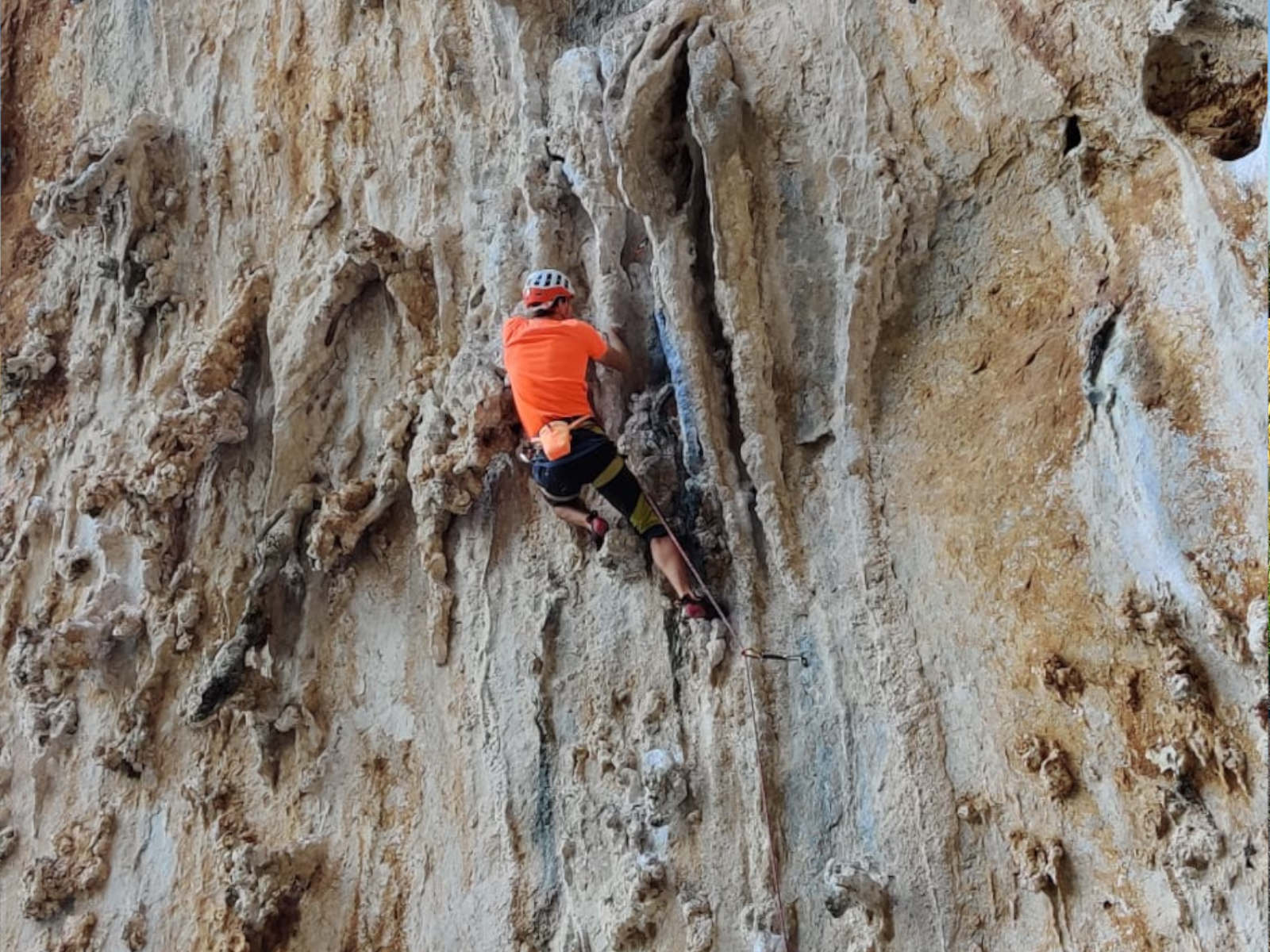
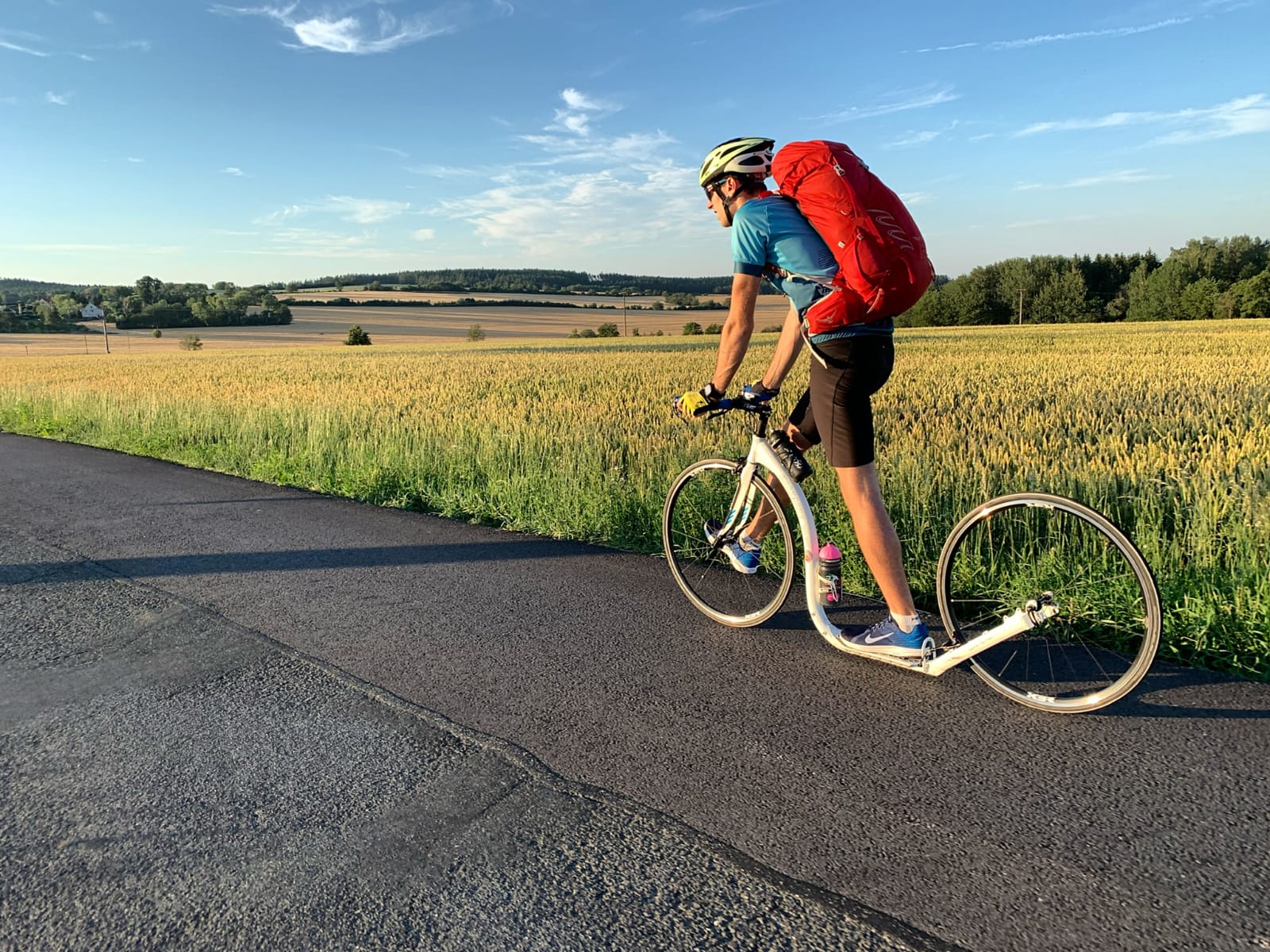
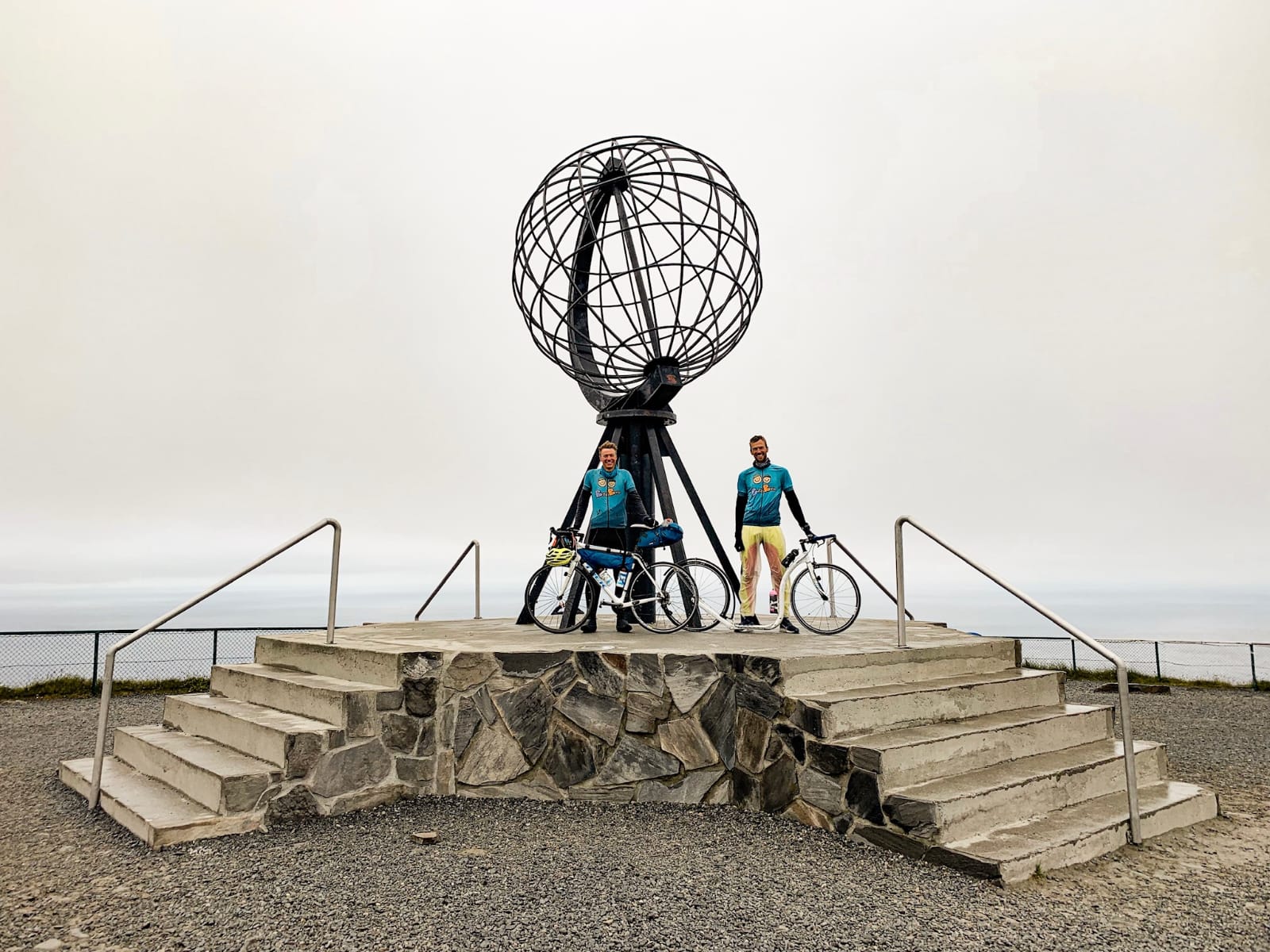
Aside from physics, I love sports and adventures. I have been climbing since I was ten years old, and during my studies at the university, I began training on a scooter (non-electric, see pictures) and participating in competitions, but I also used the as a way to go on big adventures and did several big trips across Europe together with my brother. The longest one was after I finished my master's, and it was 3 800 kilometres from the Czech Republic to Nordkapp - the northernmost point of Europe, which took us a little over one month. It was a great adventure to undertake after my university studies in Prague.
I enjoyed particle physics and I decided to continue in academia as a doctoral student because it was the natural way how to stay in cutting-edge research in particle physics and I also wanted to gain some international experience, which I was missing in my previous studies. I gwas accepted to the group of professor Anna Sfyrla at the University of Geneva, and I joined the international team and got to work on two experiments at CERN - experiments ATLAS and FASER. I learned new skills from programming and electronics when I worked on the development and commissioning of the trigger and data acquisition system for (at that time) the recently built FASER experiment. I also got to work in the jet-trigger group of the ATLAS experiment, where I qualified as an author by optimising the algorithm that is used for the track extrapolation in the jet reconstruction in the high-level trigger. On top of that, I joined the team searching for higgsinos (particles predicted by the Supersymmetry) and worked on the analysis of the data from proton-proton collisions collected by the ATLAS experiment between 2015-2018. Finally, in October 2024, I defended my doctoral thesis titled "Searching for new physics using the ATLAS and FASER detectors".
But things didn't always go so smoothly. I started my Ph.D. two months before the outbreak of the COVID pandemic, and so the first year of my doctorate was heavily influenced by lockdowns. Living in a new country and being isolated from my family, colleagues, and friends in Geneva due to closed borders and lockdown (I lived on the French side) wasn't easy. But I managed to find some positives about the situation, and I learned how to play ukulele and later transitioned to guitar. I am no musician, but I loved the learning process, and I picked up a new hobby.
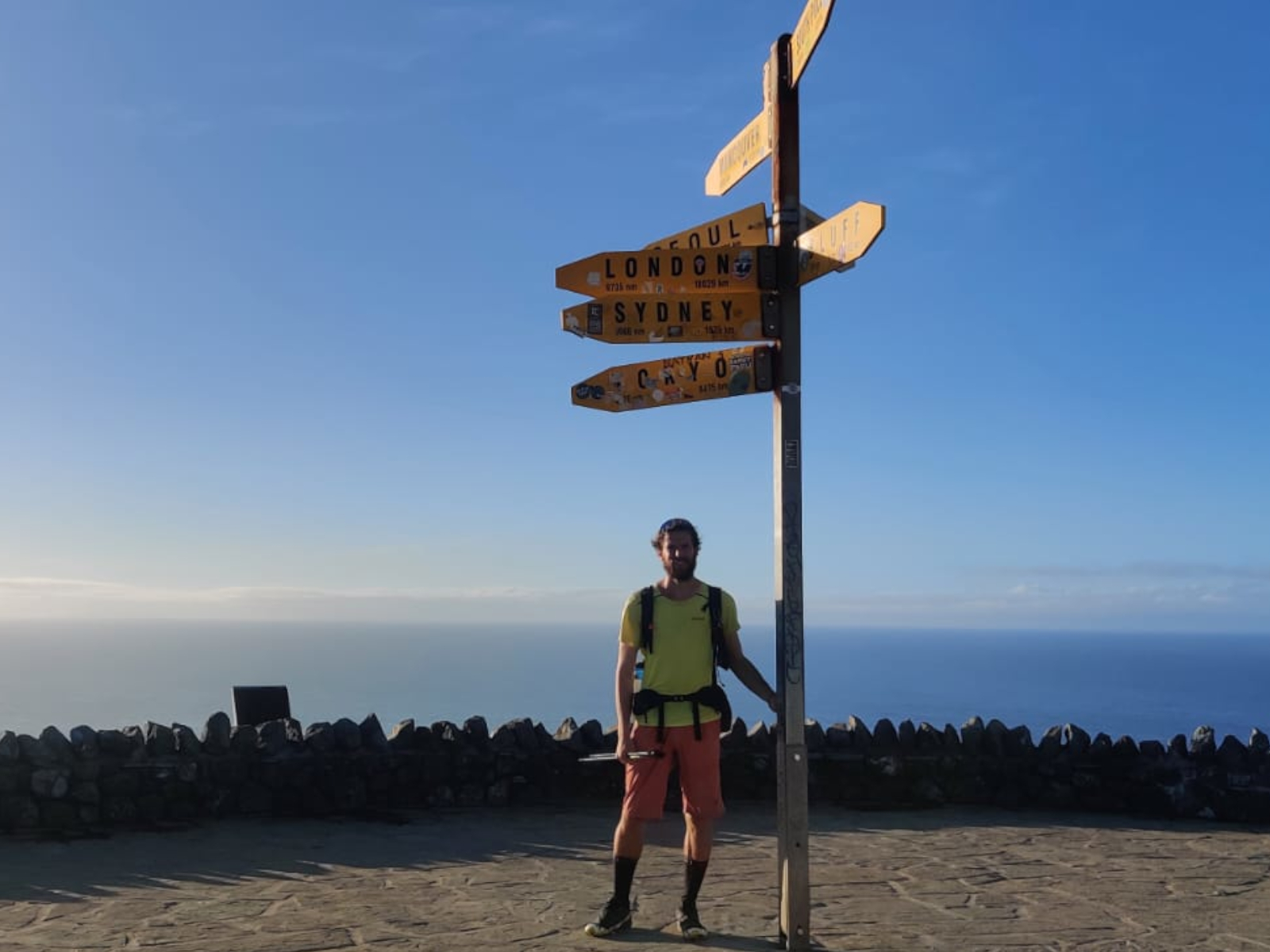
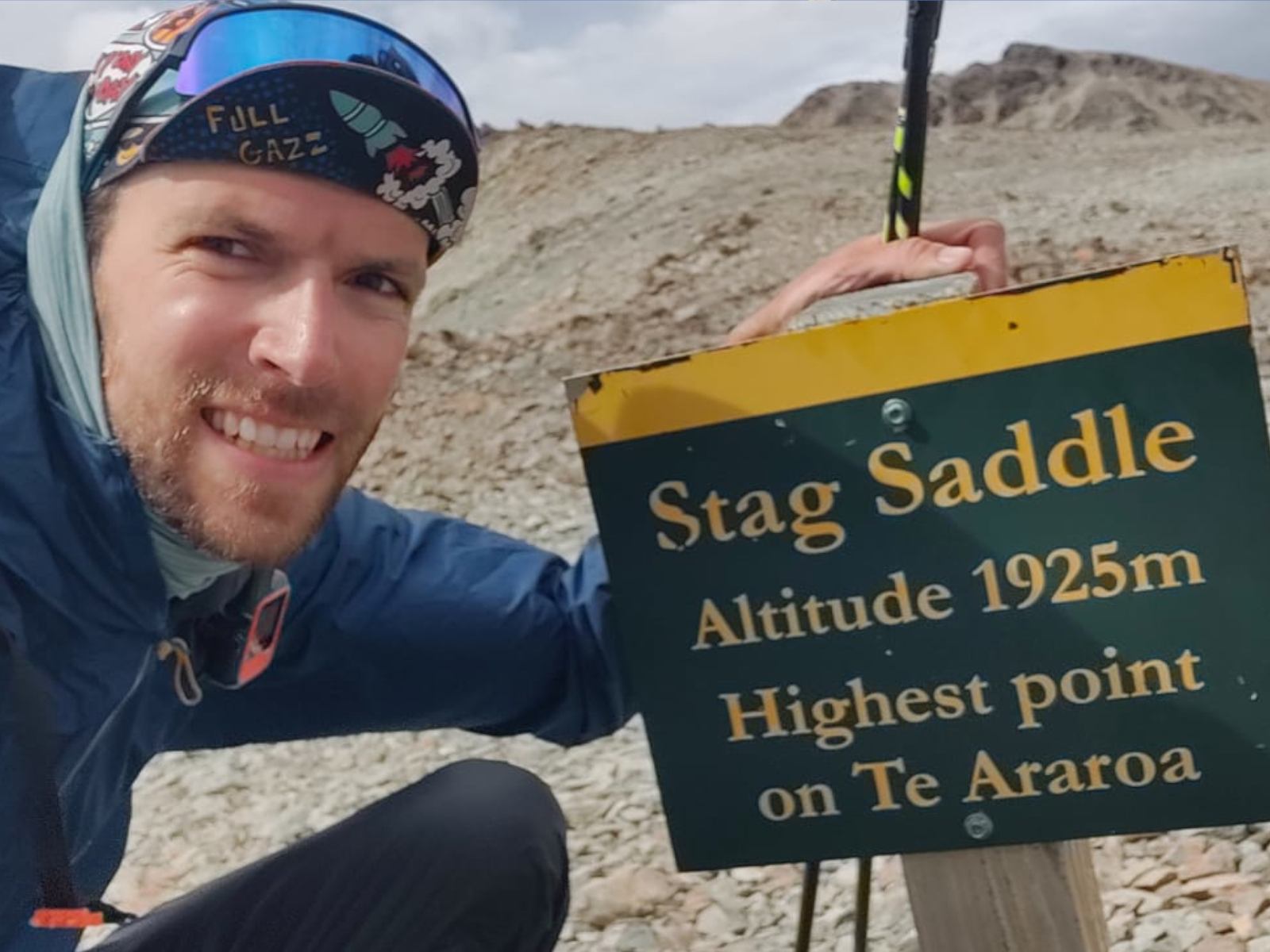
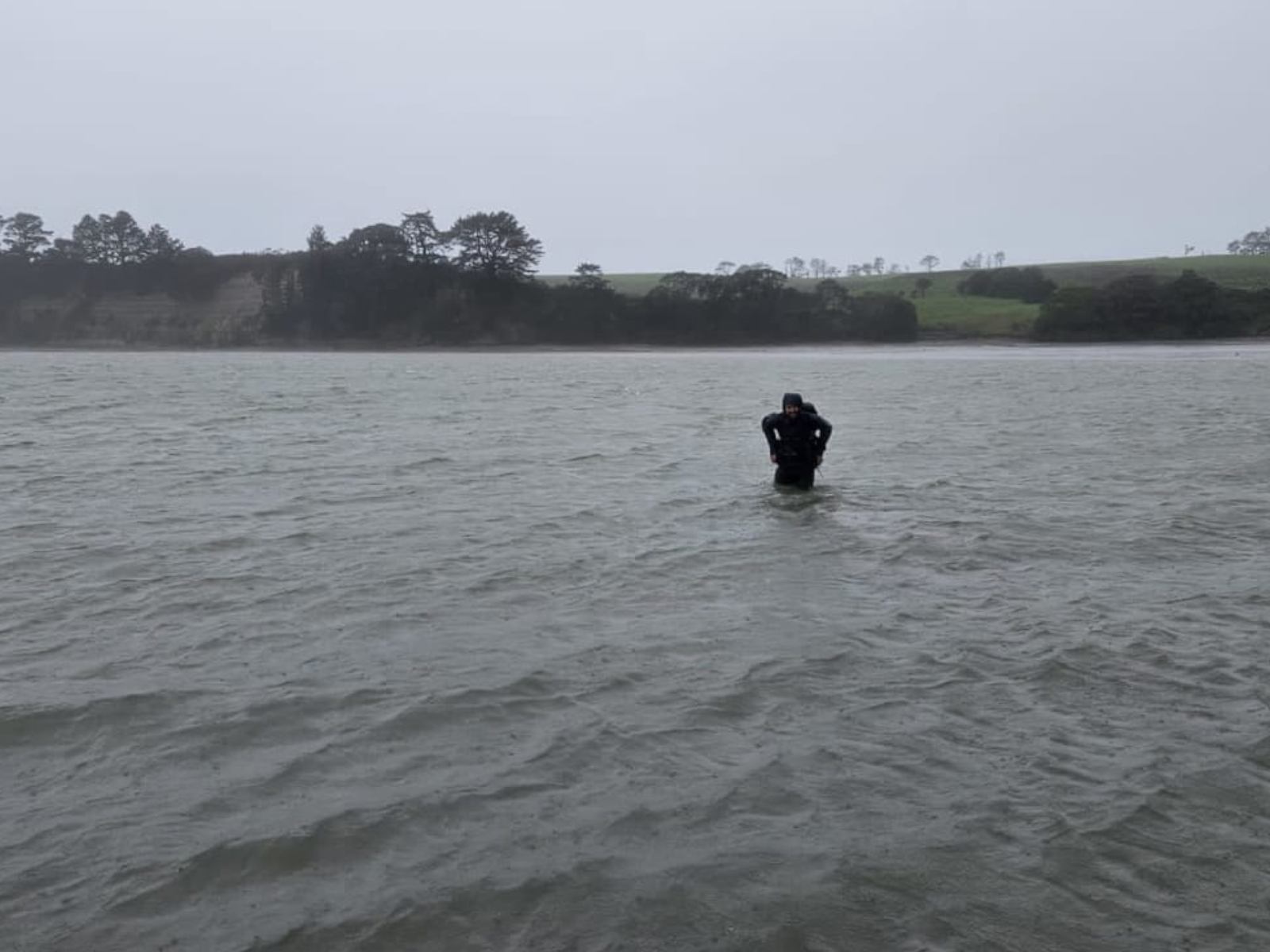
After I finished my Ph.D., I wanted to do another big adventure to get some mental rest and to also take some time to thinking about my future steps. Driven by the motto "go big, or go home," I decided to fly to New Zealand and walk the length of the country on Te Araro trail. Te Araroa is a 3 040 km long trail going through challenging terrains in New Zealand, covering both islands, with more than 82 000 meters of positive elevation gain.
Te Araroa was a big adventure, but also a transformative experience. Not only was it a huge adventure and challenge, but I also learned a lot of things about myself, and I had time to think. I like science, but I came to the conclusion that I would like to use my experience gained during my studies and apply it outside of academia. Time to embark on the next new adventures!